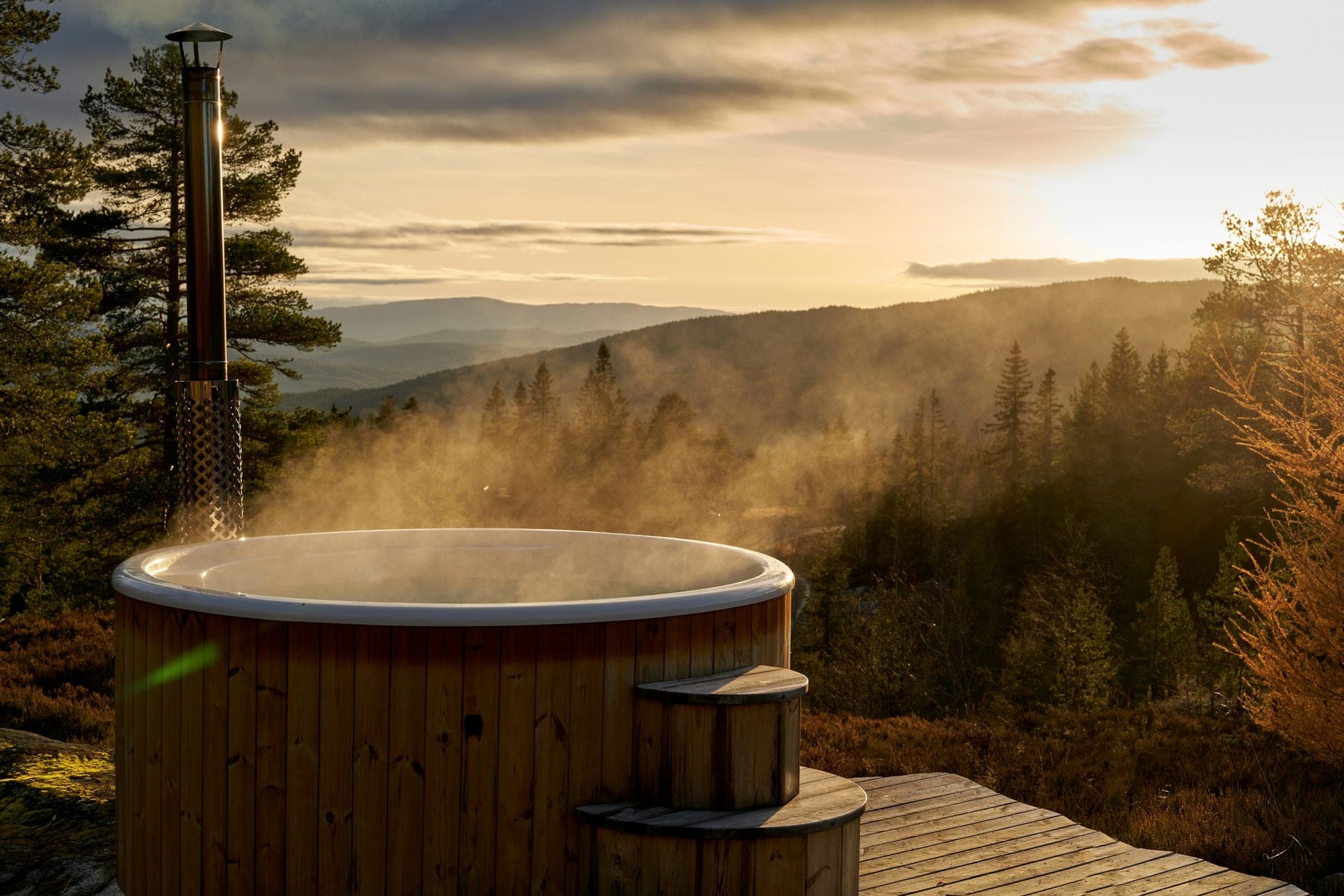
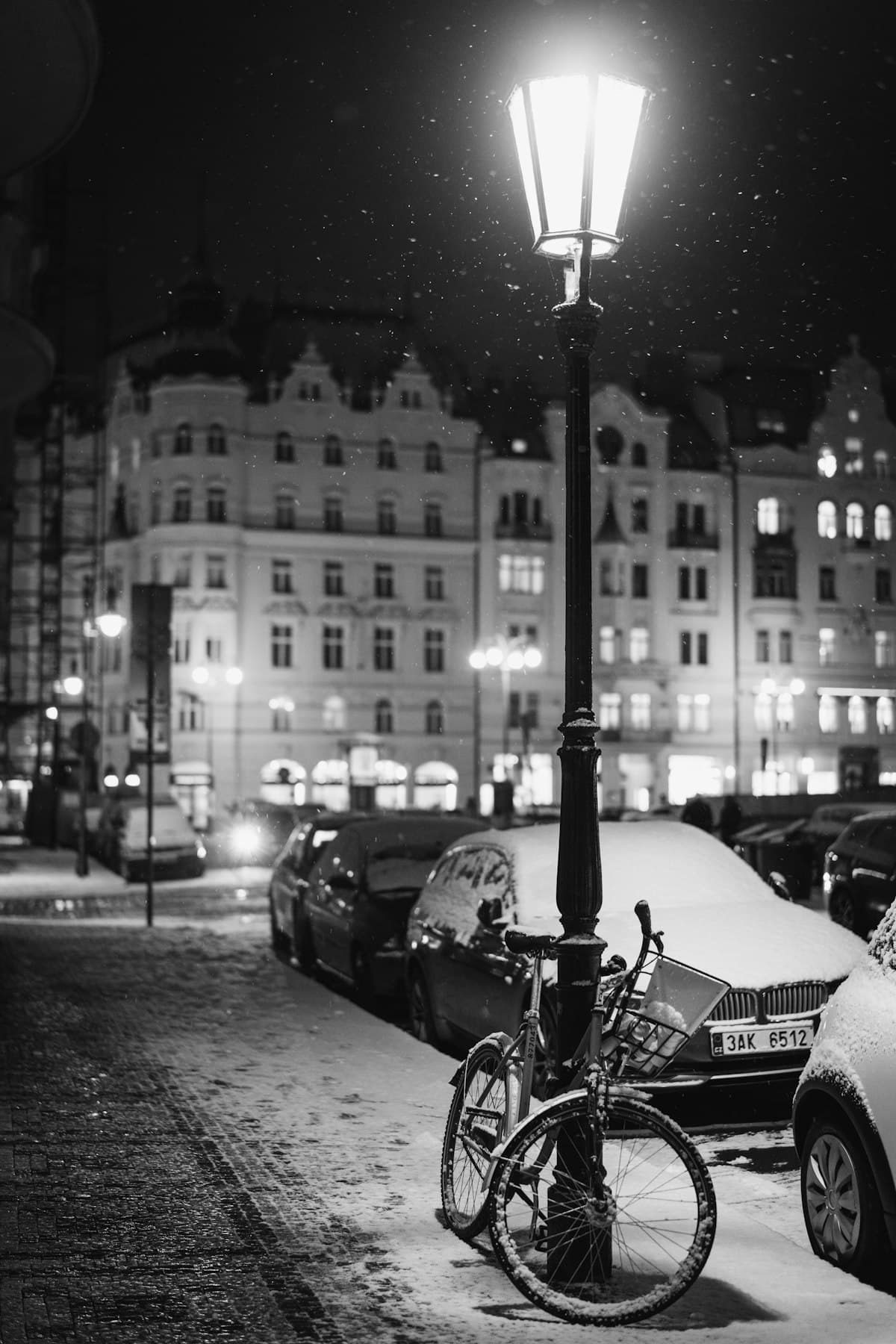
European cities in winter are one of travel's best-kept secrets. Crowds thin out by 60%, hotel rates drop by 30-50%, restaurants have walk-in tables, and the cities themselves take on a cinematic quality in the low winter light. Add Christmas markets, mulled wine, and the occasional fall of snow on medieval rooftops, and you have the single most atmospheric time of year to visit.
In this guide our team picks ten of the best European cities to visit in winter, with what to see, where to stay, what to eat, and what you'll pay. All ten work as two-to-four-night city breaks and are significantly better value between November and February than they are in summer.
Why Winter Cities Beat Summer Cities
The case for winter city breaks is simple. In summer, European cities are overrun — the Vatican has four-hour queues, restaurants refuse walk-ins, and hotel rates double. In winter, the same cities belong to locals again. You can eat lunch at a Bologna trattoria without booking, get into the Louvre in twenty minutes, and sit in a Viennese coffee house for two hours reading a newspaper without anyone asking you to leave.
The trade-off is weather — winter days are short (8-9 hours of daylight in northern Europe) and often grey. Our team's winter packing list looks like:
- Thermal base layer (merino wool if possible)
- A warm waterproof coat — Gore-Tex or equivalent for the occasional snow or rain
- Waterproof walking boots with grip — cobbled streets get icy
- Hat, gloves, and a proper scarf
- A small day pack with a spare pair of socks — nothing worse than walking a city in wet feet
Vienna
Vienna in winter is the quintessential winter city. The Rathausplatz Christmas market, the Spanish Riding School, the coffee houses, the opera season — all of it hits harder in cold weather. The Vienna State Opera runs its winter season with world-class productions most nights.
Stay at Hotel Sacher for the classic Viennese experience, Hotel Imperial for grand-hotel luxury, or Altstadt Vienna for a boutique option in the Spittelberg district. Eat Wiener Schnitzel at Figlmüller, drink Glühwein at the Christmas markets, and have coffee and Sachertorte at Café Central or Café Sacher. From London or Amsterdam, flights are usually around 200 return in January.
Prague
Prague works in winter in a way few other cities do. The Charles Bridge at dawn, snow on the castle, the medieval Old Town lit with golden streetlamps — it's the closest any city comes to looking like a Christmas card. The Christmas markets run until 6 January, which is later than most German markets.
Stay at Four Seasons Prague for riverside luxury or The Augustine for a historic monastery conversion. Eat Czech classics at U Medvídků, drink at the Prague Beer Museum, and take a winter walk up to Prague Castle at sunset. January rates are often 40% below summer.
Budapest
Budapest's thermal baths are at their best in winter. Soaking in the 38°C outdoor pools at Széchenyi or Gellért while it's below freezing outside is one of the great European experiences. The city's Christmas markets run from mid-November to 1 January.
Stay at Four Seasons Gresham Palace for Art Nouveau opulence, Aria Hotel Budapest for music-themed design, or Casati Budapest for boutique value. Eat goulash at Kadarka, drink pálinka at a ruin bar in the Jewish Quarter, and plan at least one full afternoon at a thermal bath. Budget for about 330 per couple for three nights in January.
Kraków
Kraków is the dark horse of European winter cities — medieval old town, outstanding Christmas market, and one of the lowest cost bases in the EU. The Main Market Square with its 13th-century cloth hall looks astonishing in snow. Day trips to Wieliczka Salt Mine and Auschwitz are within easy reach.
Stay at Hotel Copernicus in the Old Town or Hotel Stary for mid-range luxury. Eat pierogi at Kuchnia u Babci Maliny, drink Polish vodka at Wódka Café Bar, and walk the Royal Route at dusk. Kraków is often 40-50% cheaper than Vienna or Prague for equivalent quality.
Edinburgh
Edinburgh in December and January is unlike any other UK city. The Old Town wears the cold well, the Christmas market and ice rink take over Princes Street Gardens, and Hogmanay on 31 December is one of the world's great New Year celebrations. The Royal Mile in winter fog is straight out of a novel.
Stay at The Balmoral for grand railway-hotel atmosphere, The Witchery by the Castle for theatrical drama, or Kimpton Charlotte Square for modern boutique. Eat at The Kitchin or Ondine for Scottish seafood, drink whisky at The Scotch Whisky Experience, and walk up Calton Hill for the best view over the city.
Strasbourg
Strasbourg hosts what is widely considered Europe's most visited Christmas market — more than two million visitors across 11 markets spread through the historic centre. The Alsatian architecture is made for winter, and the Rhine town has a distinct Franco-German character you don't get elsewhere.
Stay at Régent Petite France for riverside luxury, Hôtel Cour du Corbeau for character, or the simpler Hôtel Hannong. Eat choucroute and tarte flambée at Chez Yvonne, drink Gewürztraminer at any winstub, and do a day trip to Colmar (30 minutes by train) for the smaller but prettier Christmas market.
Stockholm
Stockholm does winter differently. The city sits across 14 islands, which means every walk involves a bridge or a ferry — dramatic in snow. Gamla Stan, the medieval old town, leans into the season with candlelit cafés and Swedish glögg on every corner.
Stay at Grand Hôtel Stockholm for waterside luxury, Ett Hem for a home-style boutique, or Hotel Skeppsholmen on the archipelago. Eat at Oaxen Slip for Nordic food, drink glögg with raisins and almonds at any outdoor stand, and visit Skansen open-air museum for traditional Swedish Christmas.
Bruges
Bruges is built for winter. The canals freeze occasionally, the medieval rooftops look extraordinary in snow, and the Christmas market at Markt Square runs through December. Tiny, walkable, easy to navigate.
Stay at De Tuilerieën for canalside romance, Relais Ravestein for boutique character, or Hotel Dukes' Palace for restored 15th-century luxury. Eat moules-frites at Chez Olivier, drink Trappist beer at De Garre (a hidden alley pub), and take a canal walk at twilight.
Reykjavik
Reykjavik in winter delivers two things no other European city can: the Northern Lights (ideally viewed from Hotel Ranga 100 km south) and the Blue Lagoon or Sky Lagoon geothermal spas. It's expensive — budget around 190 per couple for four nights — but unforgettable.
Stay at The Reykjavik EDITION for modern luxury, Hotel Borg for Art Deco landmark, or ION City Hotel for design. Eat at Dill for Nordic tasting menus or Bæjarins Beztu Pylsur for the legendary hot dog stand. Plan one aurora-hunting night and one lagoon day.
Tallinn
Tallinn is a fairy-tale city in the snow. The medieval walls, the cobbled old town, and the spires of St Olaf's Church look straight out of a winter fable. It's also one of the cheapest major European capitals.
Stay at Hotel Telegraaf in a converted telegraph station or Hotel St. Petersbourg for old-world character. Eat elk carpaccio at Rataskaevu 16, drink mulled wine in the old town square, and walk the medieval city walls for the best view.
Quick answers
What's the best European city to visit in winter?
Vienna and Prague consistently top lists. Both have full winter programmes — markets, opera, museums, atmosphere.
Are European cities cold in winter?
Yes — northern and central European cities run from -5°C to 5°C in December and January. Pack layers, a warm coat, waterproof boots, and a hat.
Best for Christmas markets?
Strasbourg (Europe's biggest), Vienna (Rathausplatz), Cologne, Nuremberg, Dresden, and Tallinn for atmosphere.
Best for Northern Lights?
Reykjavik (paired with a trip 100 km south to Hotel Ranga) or Tromsø in northern Norway. Note neither is a traditional city break — they're trips in their own right.
Book Someone a European Winter Escape
A winter city break is one of the most atmospheric gifts you can give — Glühwein in Vienna, mulled wine in Tallinn, a thermal bath in Budapest. With a Getaway Gift Card the recipient picks their own city, their own dates, and their own hotel from our network of partners across Europe and beyond. The perfect present for anyone who'd rather explore a medieval old town in the snow than sit at home watching repeats of Christmas films.
Plan a European winter city break with a Getaway Gift Card.
Browse partner hotel chains here and explore destinations by country here.
- 2-year validity
- No fees
- 14-day money-back guarantee
- Email delivery in minutes
- 4.7/5 · 55 Google reviews
 Written by ArvidAugust 21, 2026
Arvid is the founder of Getaway Gift Card. Working with hotels across more than 190 countries and watching how thousands of recipients pick where to go and what to book, he and the team have built a clear picture of what makes a getaway worth giving. On his blog Arvid shares those lessons — destination guides, gifting tips, and the practical details that make the difference between a gift card that sits in a drawer and one that becomes a great trip.