European Christmas markets are the most photographed winter scenes on earth for a reason. The scent of gluhwein and grilled sausages, the half-timbered stalls under strings of lights, carol singers on the cathedral steps, and a cold winter evening that does not feel cold because everyone is outside holding a hot drink — it is one of the most reliable pleasures European travel offers. And a Christmas market weekend is one of the easiest short trips to book.
This guide is our working shortlist of the best Christmas markets in Europe for 2026, with practical notes on which ones to book around, which to combine, and when to go.
Why Christmas Markets Are Worth the Trip
Christmas markets (Christkindlmarkt, Weihnachtsmarkt, marche de Noel) run from late November to Christmas Eve in most cities, with the best four-week window falling between the last week of November and Christmas week. Hotel prices rise during this period but nowhere near peak-summer levels, and most cities are spectacularly decorated. The markets are the excuse; the food, the architecture, the choirs, and the mulled wine are the reason you stay.
Vienna for the Classic Experience
Vienna runs several simultaneous markets, but the big ones are the Rathausplatz Christkindlmarkt in front of City Hall (the largest, with an ice rink and an illuminated tree), the Schonbrunn market in front of the imperial palace, and the smaller Spittelberg market in the old quarter — more artisans and less tourist fare. Stay near the Hofburg, eat dinner at Plachuttas Gasthaus zur Oper or Figlmuller, and take in a concert or an opera between visits. Direct flights from Amsterdam, London and Dublin are under two hours.
Strasbourg — the Capital of Christmas
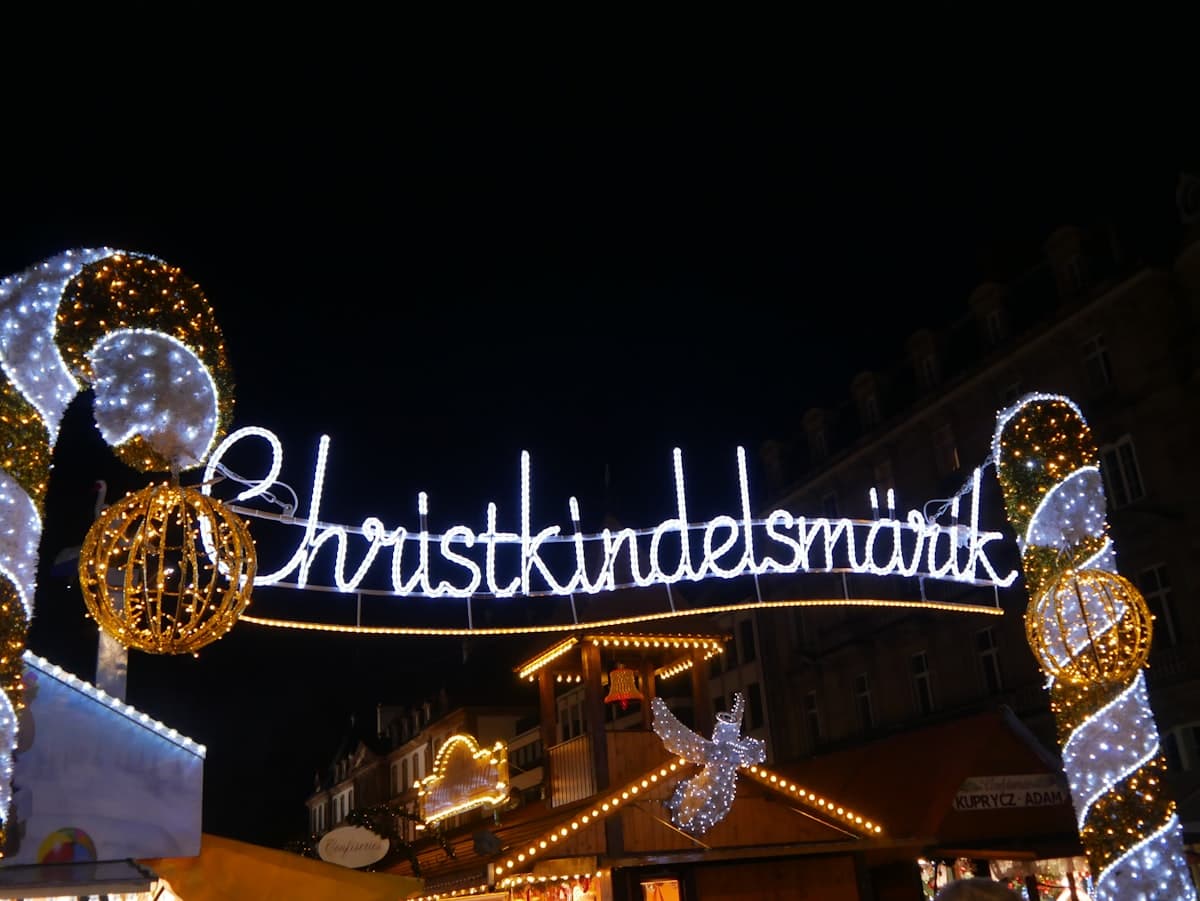
Strasbourg calls itself the Capital of Christmas and has the claim to back it up — its Christkindelsmarik dates to 1570, making it the oldest running Christmas market in France. The main markets spread across Place Broglie, Place Kleber (with the giant Grand Sapin, Europe's tallest decorated natural tree), Place de la Cathedrale and the Petite France canal quarter. Eat tarte flambee, bredele biscuits, and a hot vin chaud. Strasbourg is a 2h20 TGV from Paris and a 3h20 train from Brussels.
Nuremberg for the Gingerbread and Sausages
Nuremberg's Christkindlesmarkt is one of the most famous in Germany — a red-and-white stall city on the Hauptmarkt square, with a formal opening ceremony by a costumed Christkind and stall rules unchanged since the 16th century. Eat Nurnberger Rostbratwurste (the finger-sized grilled sausages), Lebkuchen (the local gingerbread), and hot Feuerzangenbowle — gluhwein with a rum-soaked sugar cone set on fire above the pot. Nuremberg is two hours by ICE from Munich and under an hour from Wurzburg.
Cologne, Berlin and the German Classics
Cologne runs seven markets inside the old city walls — the biggest is on the Roncalliplatz in front of the cathedral, which is one of the most photographed Christmas backdrops in Europe. Berlin has more than 60 Christmas markets of every size and style, from the grand Gendarmenmarkt (paid entry, acrobats and musicians) to the free Charlottenburg Palace market. Munich has the Marienplatz market and the trumpet concerts from the Rathaus balcony every Friday at 17:30 and 18:00. Dresden's Striezelmarkt, running since 1434, is the oldest in Germany.
Prague for the Fairytale Setting
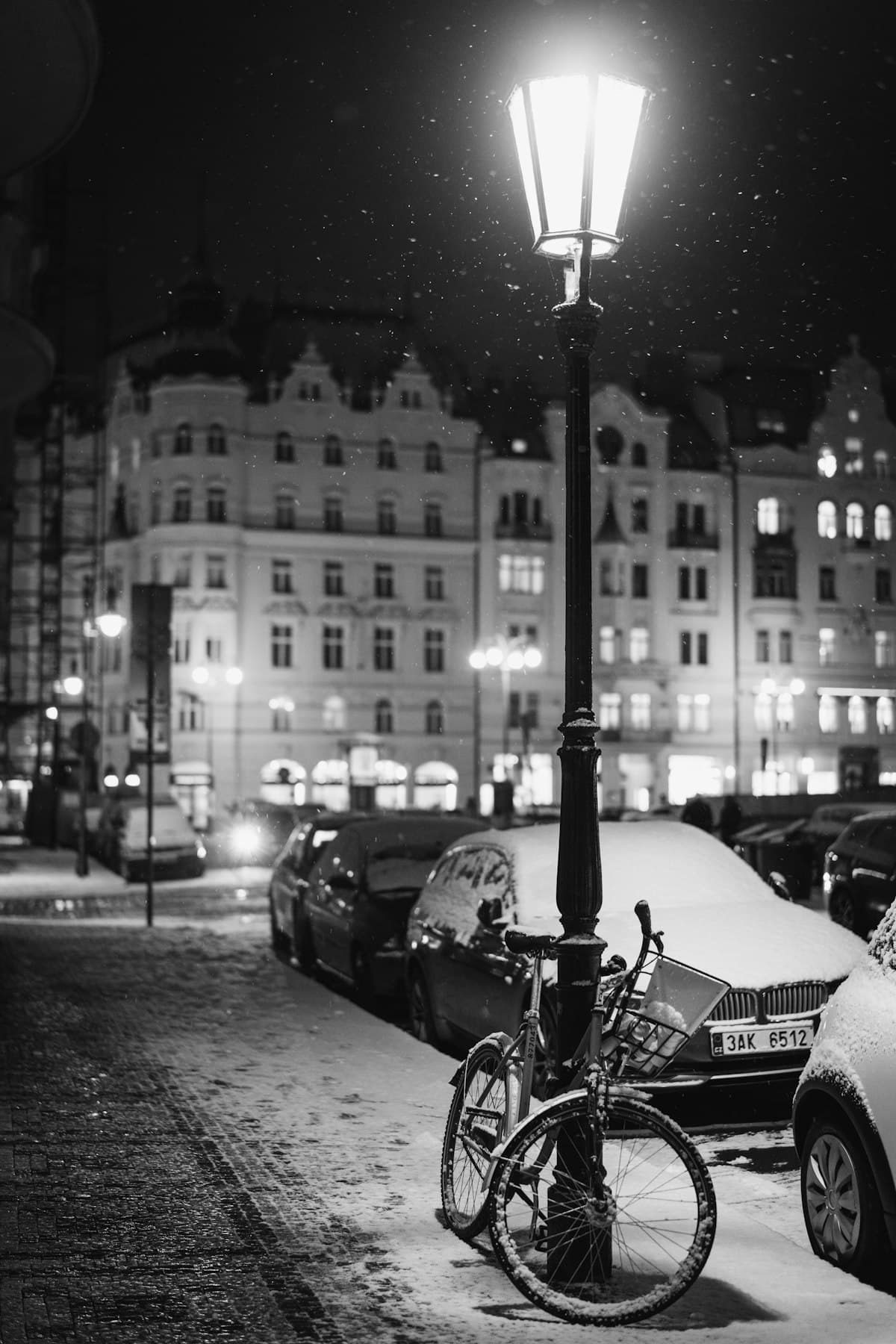
Prague's Old Town Square market under the Astronomical Clock and with the Tyn Church in the background is arguably the most photogenic Christmas market in Europe. A smaller market runs on Wenceslas Square. Eat trdelnik (a sugar-dusted chimney pastry — touristy but tasty), klobasa (grilled sausage), and drink svarak (Czech mulled wine). Prague is cheaper than German cities — central four-stars run 120 to 200 a night even during market season.
Budapest for the Thermal Combo
Budapest has two main markets — the Vorosmarty Ter market in the centre and the Basilica market in front of St Stephen's Basilica, which shows a nightly light show projected onto the cathedral facade. The real trick in Budapest is combining the markets with an evening in the Szechenyi thermal bath — soaking in 38-degree outdoor water under steam with snow falling around you is one of the most memorable December experiences in Europe.
Colmar and the Alsace Villages
Colmar is a smaller, prettier sibling to Strasbourg — a 15th-century wine-trading town whose old quarter becomes a Christmas film set from late November to the end of December. Six separate markets spread through the town, the best being the Place des Dominicains and the Place de l'Ancienne Douane (the Koifhus). The surrounding villages — Riquewihr, Kaysersberg, Eguisheim, Ribeauville — all run their own smaller markets, usually on alternating weekends, and a day spent driving the Route des Vins between three of them is one of our favourite December trips in Europe. Eat choucroute, drink hot mulled Pinot Noir, and stay at a timber-frame Logis in Riquewihr.
Tallinn and the Northern Option
For something different, Tallinn's Raekoja Plats market is one of the most atmospheric in Europe — a medieval old town, reliably covered in snow from early December, with a 15th-century Town Hall as backdrop. The market is small but beautiful. Combine with a Finnish ferry to Helsinki for a two-country Christmas weekend. Flights into Tallinn from Amsterdam, London and Dublin are all under three hours and often cheaper than German cities.
Brussels and Bruges for the Belgian Version
Brussels's Plaisirs d'Hiver (Winter Wonders) spreads across the Grand Place, Place Sainte-Catherine and Place de la Monnaie with a light show on the Grand Place facades every hour. Bruges is the smaller, prettier Belgian option — its Simon Stevinplein and Markt markets are intimate and the whole town is covered in lights. Eat Belgian chocolate, speculoos biscuits, Flemish beef stew and drink Belgian beer or gluhwein.
Quick answers
When are Christmas markets open?
Late November to Christmas Eve in most German, Austrian and French markets. Some (Vienna, Budapest, Colmar) run to New Year or Epiphany. Always check the official dates before booking.
Which is the best Christmas market in Europe?
Vienna for the full cultural weekend, Strasbourg for the French-German border charm, Nuremberg for the food, Prague for the backdrop, Colmar for the village atmosphere. Everyone has a favourite — ours is still Vienna.
How many days should I go for?
Three nights is the sweet spot — one evening market visit, one daytime sightseeing day, one leisurely departure. Two markets in two nearby cities can be combined in a four-night trip (Nuremberg and Munich, Cologne and Brussels, Prague and Dresden).
Are Christmas markets family-friendly?
Yes. Most markets have children's carousels, puppet theatres and sweet stalls. Nuremberg and Vienna have dedicated children's sections.
A Getaway Gift Card for a Christmas Market Break
A getaway gift card is a clean Christmas-itself gift for anyone who loves the markets but never quite books the trip. The recipient picks the city — Vienna, Strasbourg, Nuremberg, Prague, Budapest — and the weekend, and uses the card against the hotel of their choice. Browse our hotel chain partners, explore destinations by country, or buy a getaway gift card and give someone a proper European winter weekend.
Gift a Christmas market escape.
Browse partner hotel chains here and explore destinations by country here.
- 2-year validity
- No fees
- 14-day money-back guarantee
- Email delivery in minutes
- 4.7/5 · 55 Google reviews
 Written by ArvidAugust 21, 2026
Arvid is the founder of Getaway Gift Card. Working with hotels across more than 190 countries and watching how thousands of recipients pick where to go and what to book, he and the team have built a clear picture of what makes a getaway worth giving. On his blog Arvid shares those lessons — destination guides, gifting tips, and the practical details that make the difference between a gift card that sits in a drawer and one that becomes a great trip.